




Ever had a teammate who peppers every plan with questions? It feels like they’re intentionally undermining momentum, right? They’re not—they’re your secret weapon for bulletproof results. In the Maxwell DISC model of human behavior, we refer to this as a “C” style. Let’s dig into what makes them tick, and how to turn their strengths into real team wins.
That “C” Teammate Who’s Actually Saving You
You know the one—about 17% of folks—who hits you with “what ifs” and “have we thought about…” every time. It can feel like they’re challenging your authority or just slowing everything down. But here’s the deal: their brain is wired to spot holes so they can fix them before they bite you later.
They’re not trying to derail you; they’re bulletproofing the plan. I’ve seen teams miss this and pay big—flaws that pop up post-launch, wasting weeks. The fix? Call out their value: “Hey, great catch, that risk was on my list too. Deadline’s tight this time, so let’s grab the top three and move, then circle back.” Boom—quality goes up, speed stays on track. They’re your ally, not the enemy.
Why Sameness Kills and Differences Win (If You Handle Them Right)
All “yes” teams? They feel smooth but fall into groupthink—safe ideas, missed blind spots. Bring in different styles, and yeah, sparks fly: the high-energy “I” floods with ideas, the steady “S” keeps things harmonious, the bold “D” pushes hard.
“C”s butt heads most with “D”s, who hear questions as pushback. But pair that drive with their detail-eye? You get plans that actually work. It’s not about forcing harmony—it’s about spotting styles and using them.
3 Real Ways to Make It Work
1. Start with observation to notice patterns fast. Next standup, pay attention to who’s drilling details (“C”), rallying the group (“I”), steadying the ship (“S”), or charging ahead (“D”). For even faster alignment and deeper insight across the whole team, a structured workshop or coaching session accelerates everything—I’ve seen it cut through confusion in one go.
2. Ask questions that fit them: Pull out their best. For “C”: “What risks jump out?” For “I”: “How do we make this exciting?” For “S”: “What support do we need?” For “D”: “How do we nail the result the customer cares about?” Gets gold without the fight.
3. Play to strengths: Kick off with “I” or “D” for ideas, hand validation to “C”, execution to “S”. Switch it up. Teams I work with say decisions stick better and meetings drag 30% less.
What It Looks Like in Action
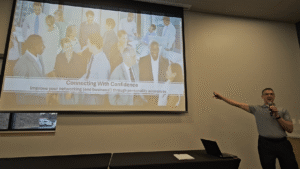
In my workshops, one group flipped a “problem questioner” into their go-to quality check. Fewer fixes later, happier vibes, everyone contributing.
Diversity isn’t perfect harmony—it’s smarter results when you leverage the powers of each type of person. Want to dive deeper or speed this up for your team? My Engineering High Performance Teams workshop gives you Maxwell DISC tools, real scripts, and hands-on practice—structured so you skip the trial-and-error.
DM me for a spot.